

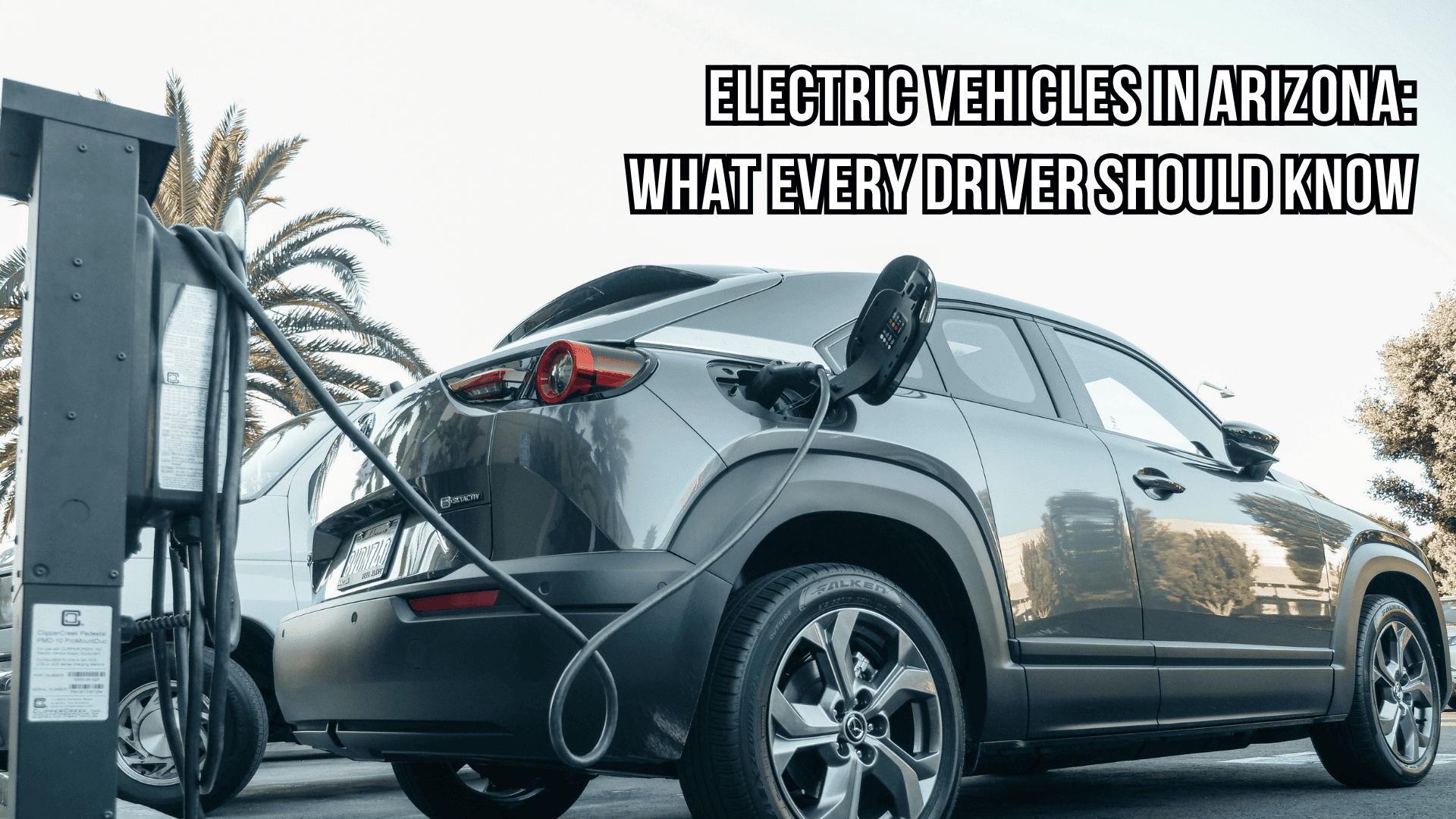
Electric vehicles (EVs) are becoming increasingly common across Arizona. Drivers are drawn to EVs for a variety of reasons, including reduced fuel costs, advancing technology, environmental considerations, and the convenience of charging at home.
But an EV can change more than the way a driver fuels a vehicle. Home charging equipment, electrical upgrades, specialized repairs, severe weather, and new liability exposures can affect both the ownership experience and the insurance conversation.
Understanding those connections can help Arizona drivers evaluate an EV purchase and identify which auto, home, and personal coverages may need to be reviewed.
EV Ownership Extends Beyond the Vehicle
One of the biggest differences between an electric vehicle and a traditional vehicle is that EV ownership often extends into the home. Although Arizona has more than 4,700 public charging ports, many owners prefer the convenience of charging at home.
Many EV owners install charging equipment, dedicated electrical circuits, surge protection, or other upgrades to support home charging. While these improvements create convenience, they also become part of the home’s infrastructure.
That connection makes the EV purchase relevant to more than an auto policy. Homeowners should understand how charging equipment, electrical upgrades, homeowners insurance, and personal liability protection work together. Keeping records of professional installations and discussing significant upgrades during an insurance review can help identify potential gaps before a loss occurs.
Arizona’s Climate Creates Unique Considerations
The vehicle itself also faces operating conditions that are especially relevant in Arizona. Extreme temperatures can affect all vehicles, including EVs.
Modern EVs use advanced thermal-management systems to regulate battery temperatures, but prolonged heat may still affect charging behavior, efficiency, driving range, and long-term battery performance. According to a recent AAA study, hybrid vehicles experienced a 12% decrease in fuel efficiency and EVs a 10% reduction in efficiency under the conditions tested.
Extreme heat is only one part of Arizona’s weather exposure. Seasonal conditions can also create sudden risks for electric and gasoline-powered vehicles alike: flash flooding, hail, dust storms, falling debris, and temporary power outages may cause vehicle damage, and certain losses may require additional inspection of an EV’s battery system and electronic components.
For drivers, these heat- and storm-related exposures raise an important insurance question: how would the policy respond after weather-related damage? Comprehensive coverage may apply to certain losses, but protection depends on the policy, deductibles, limits, exclusions, and circumstances of the claim. Reviewing those provisions in advance can help clarify what is—and is not—covered.
How EV Repair Costs Can Affect Auto Insurance
Beyond weather, the cost and complexity of repairing an EV can also influence the insurance program. EV technology extends well beyond the battery and may affect claims severity, repair time, and premiums.
Many EVs contain sophisticated sensors, cameras, software systems, and high-voltage components that may require specialized technicians, manufacturer-approved procedures, battery inspections, diagnostic testing, and software recalibration after a covered loss. These requirements can increase labor and parts costs, extend repair timelines, and make an otherwise repairable vehicle more likely to be declared a total loss when projected costs approach its insured value.
Those differences may be reflected in auto insurance premiums and make certain coverage choices more important. EV owners may want to review their collision and comprehensive deductibles, rental reimbursement limits and duration, towing or roadside-assistance provisions, and whether the policy addresses original-equipment or specialized replacement parts. Drivers who finance or lease an EV should also consider whether loan or lease payoff coverage may help address a potential gap between the vehicle’s value and the remaining balance after a total loss.
A coverage review should consider the EV model, annual mileage, where and how it will be charged, available repair facilities, and the household’s comfort with deductibles and longer repair periods. Because terms vary by insurer, drivers should confirm limits, exclusions, valuation methods, and available endorsements rather than assume every battery, charging, or technology-related loss is covered.
Review Coverage When the Vehicle Changes
An EV purchase can affect more than auto insurance. The vehicle’s value and repair requirements may change collision, comprehensive, rental reimbursement, roadside assistance, and loan or lease payoff needs. Home charging equipment and electrical upgrades may also create questions for homeowners and personal liability coverage.
That is why the best time for an insurance review is before buying an EV or soon after bringing one home. A review can show how the new vehicle changes existing policies, where coverage overlaps, and whether deductibles, limits, or optional protections still fit the household’s needs.
At The Arizona Group, we take a comprehensive view of those connections. As an independent insurance brokerage, we help clients understand how an EV may affect their auto, home, and personal liability coverage and evaluate options that align with their broader protection strategy.
If you are considering an EV—or have recently purchased one—contact The Arizona Group to review your coverage and discuss what may need to change. A conversation now can help make sure the rest of your insurance program keeps pace with the vehicle in your driveway.
Important Information
This article is for general informational purposes and is not insurance, legal, financial, automotive, or electrical advice. Coverage is subject to the terms, limits, deductibles, and exclusions of the applicable policy. Nothing here modifies or binds coverage, and changes are not effective until confirmed by The Arizona Group.

